
November 17, 2026
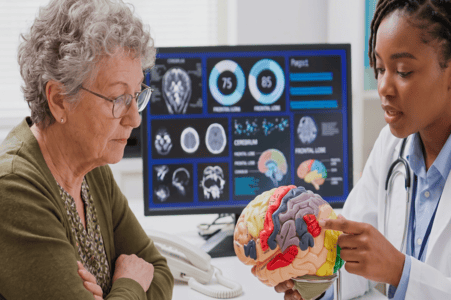
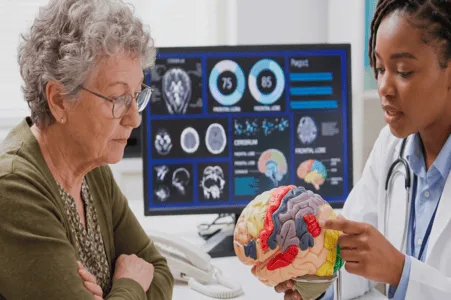
Brain-related concerns can appear in subtle, but impactful ways. Some people experience slowed thinking, difficulty processing information, or trouble keeping up with conversations. These changes may follow injury, illness, or ongoing neurological stress. When the brain is not functioning efficiently, everyday tasks can feel overwhelming. Care focuses on improving how the brain processes and responds to information. This may involve structured cognitive exercises, coordination training, and strategies that support mental endurance. Recovery often takes time and consistency, with gradual improvements in clarity and performance. Addressing symptoms early can help reduce frustration and support better outcomes. Individualized care plans are designed to match each person’s specific challenges and goals. Progress is monitored to ensure steady improvement and adjust treatment, when needed. It is suggested that if you notice changes in thinking or processing, please visit our provider for an evaluation and personalized support.
Understanding Persistent Pain and Nerve-Related Symptoms
Ongoing pain that does not fully resolve can be frustrating and difficult to explain. It may feel sharp, burning, tingling, or deep and aching. Some people notice numbness or heightened sensitivity, while others experience discomfort that shifts from one area to another. When symptoms persist, they can affect sleep, mobility, and overall quality of life.
In many cases, these sensations are linked to how the nervous system is functioning. Nerves carry signals between the brain and body, and when those signals are disrupted or amplified, the result can be pain that feels disproportionate to the original issue. Even after an injury has healed, the system may remain overactive or poorly regulated.
A detailed evaluation can help uncover the source of these symptoms. Providers may assess movement patterns, reflexes, coordination, and sensory responses. This approach looks beyond the site of pain to understand how the entire system is communicating.
Care is often focused on calming and retraining the nervous system. Targeted therapies may be used to reduce sensitivity, improve signal accuracy, and restore more normal movement patterns. Treatment is guided and progressive, helping the body adapt without increasing discomfort.
Daily routines also influence recovery. Gentle movement, consistent sleep, and stress management can support better regulation and reduce flare-ups. Small changes over time can lead to meaningful improvement.
If you are dealing with ongoing pain or nerve-related symptoms, see us for a personalized approach to your issues.
If you have any questions please feel free to contact our office located in Bellevue, WA . We help calm nerve irritation and reduce persistent pain.