
November 3, 2026
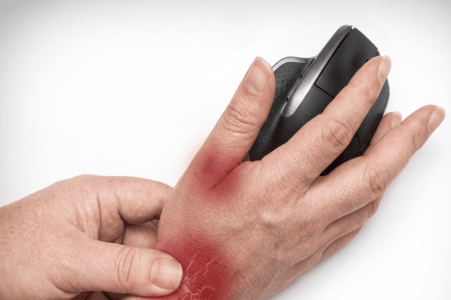
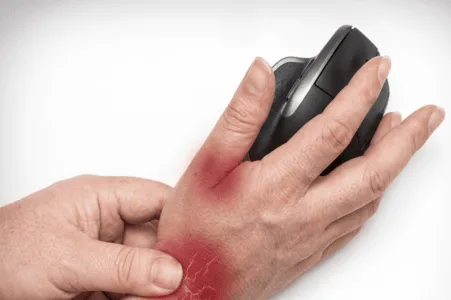
Nerve issues can quietly affect how the body feels and functions. People may notice tingling, numbness, burning sensations, or weakness that comes and goes without a clear cause. These symptoms often develop when nerve signals are disrupted, whether from injury, inflammation, or chronic strain. Over time, they can interfere with daily activities and reduce overall comfort. Care focuses on identifying the source of irritation and improving how nerves communicate with the brain and body. Treatment may include targeted exercises, movement strategies, and supportive therapies that promote better function. Early attention can help prevent symptoms from becoming more persistent or severe. With consistent care, many individuals experience meaningful improvement in sensation and strength. Monitoring changes closely helps guide adjustments in treatment, over time. It is suggested that if you are experiencing nerve-related symptoms, please visit our provider for a comprehensive evaluation and appropriate care.
Understanding Persistent Pain, Nerve Issues, And Complex Symptoms
Ongoing discomfort that does not have a clear cause can be frustrating and disruptive. Many people experience symptoms that extend beyond typical pain, including headaches, nerve-related sensations, and physical responses that seem difficult to explain. These concerns can affect daily function, sleep, and overall well-being.
Headaches and migraine episodes are common and may vary in intensity and frequency. Some individuals also report chronic pain with neurologic features, such as sensitivity to light, sound, or movement. Nerve-related symptoms may include numbness, tingling, or burning sensations, often described as neuropathy. Tremors or shakiness can develop as well, making fine motor tasks more challenging.
The body can also respond to stress or underlying dysfunction with physical symptoms. Anxiety, a condition marked by heightened stress responses in the body, may present with dizziness, a fast heart rate, or a sense of unease. Dysautonomia, a disorder of the autonomic nervous system that disrupts regulation of heart rate and blood pressure, including postural orthostatic tachycardia syndrome or POTS, a condition that causes a rapid increase in heart rate when standing, can lead to lightheadedness, fatigue, and difficulty with position changes.
Some individuals continue to experience lingering symptoms after illness or injury. Long COVID has been associated with fatigue, brain-related changes, and persistent discomfort. Stroke rehabilitation focuses on restoring strength, coordination, and function after a neurological event, often requiring a structured and supportive approach.
Because these symptoms often overlap, a thorough evaluation is important. A professional evaluation for proper diagnosis and treatment should be obtained.
If you have any questions please feel free to contact our office located in Bellevue, WA . Our team can evaluate your condition and guide you through appropriate care.