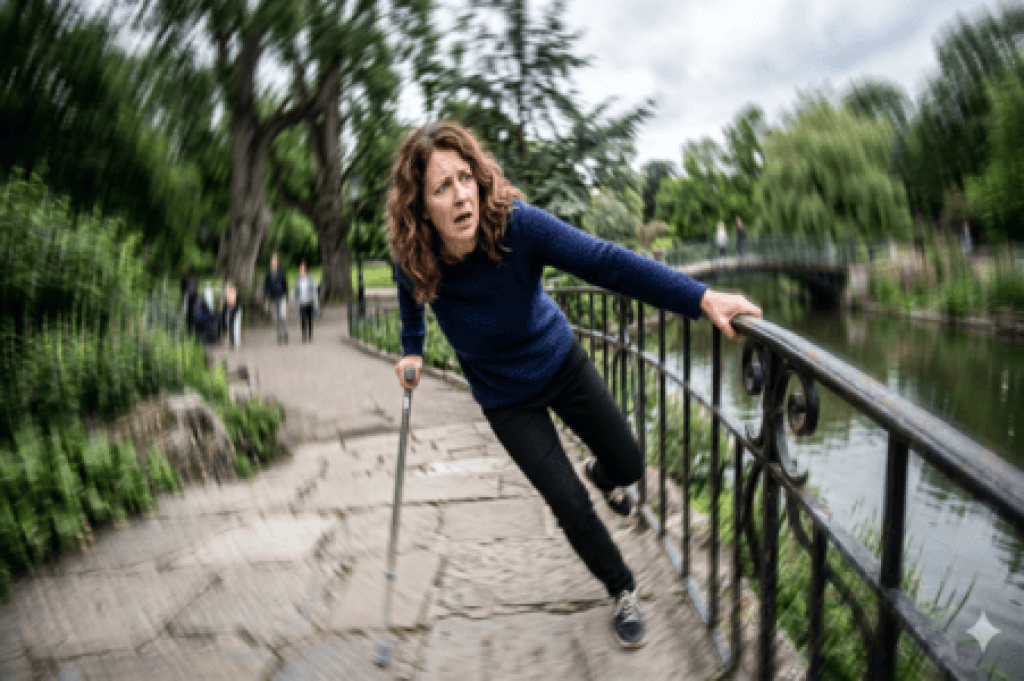
Dizziness and balance problems can make everyday activities feel uncertain and frustrating. When symptoms affect walking, reading, driving, or quick head movements, specialized testing may help identify the cause. Vestibular testing evaluates how the inner ear and balance systems respond to movement and position changes. Ocular tracking testing examines how well the eyes follow moving objects, shift focus, and work with the brain and balance systems to maintain stable vision. Problems in these systems may lead to dizziness, poor coordination, blurred vision, motion sensitivity, or feelings of unsteadiness. These assessments help uncover patterns that may not be obvious during a routine examination and can guide a more personalized care plan. Understanding how visual tracking and balance systems interact is an important step in addressing persistent symptoms. If dizziness, motion sensitivity, or balance concerns are affecting your daily routine, it is suggested that you seek an evaluation from a qualified healthcare provider to better understand the cause.
Understanding Dizziness and Restoring Steady Balance
Dizziness can be unsettling and difficult to describe. Some people feel lightheaded, while others notice a spinning sensation or a sense of unsteadiness when standing or walking. These symptoms may come and go or persist throughout the day, making routine activities feel unpredictable and tiring.
Balance depends on close communication between the inner ear, eyes, muscles, and brain. When one or more of these systems is not working properly, the body may struggle to stay oriented. This can lead to swaying, drifting, or a feeling that the surroundings are moving even when they are still. Common contributors include inner ear disturbances, vision changes, head or neck issues, and nervous system dysfunction.
A thorough evaluation can help identify the source of the problem. Providers may assess eye movements, posture, coordination, and how the body responds to changes in position. These findings can reveal subtle disruptions in how balance is controlled.
Treatment is often focused on retraining the brain and body to work together more effectively. Guided exercises may be used to improve stability, strengthen coordination, and reduce sensitivity to movement. These activities are carefully progressed to build confidence without increasing symptoms.
Daily habits can also influence balance. Staying hydrated, moving regularly, and avoiding sudden position changes may help reduce episodes of dizziness. Creating a safe environment at home, such as removing tripping hazards, can lower the risk of falls.
If dizziness or balance problems are affecting your safety or quality of life, please make an appointment with us today.
If you have any questions please feel free to contact our office located in Bellevue, WA . We are able to help with dizziness and balance.
