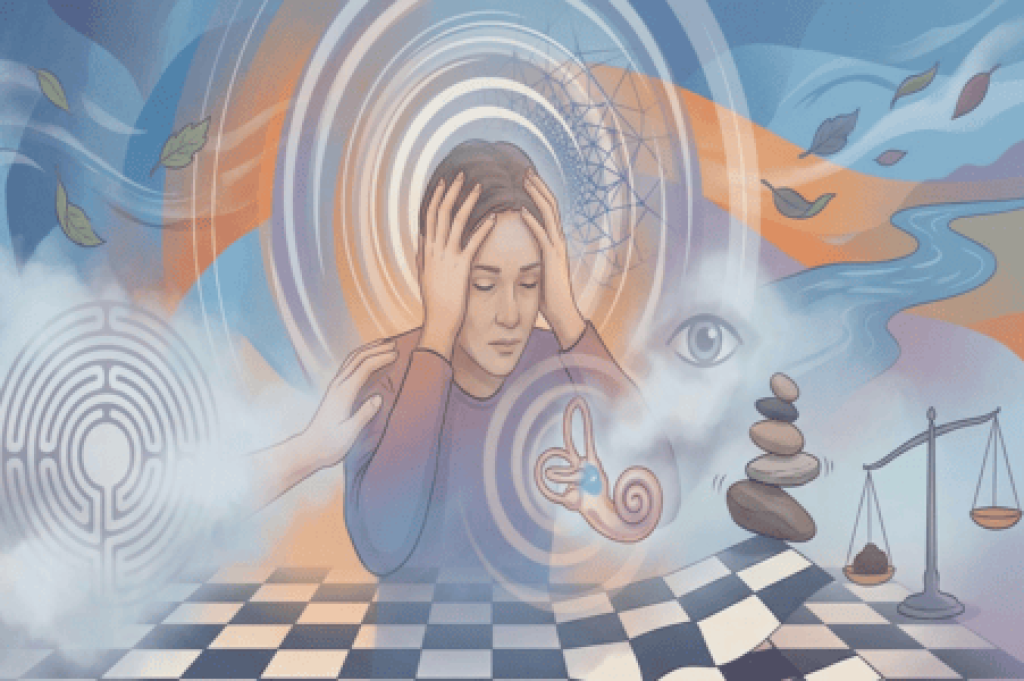
Neural integration is the process by which the brain receives, organizes, and responds to information from different parts of the body to create smooth, accurate movement and stable balance. This includes signals from the eyes, inner ears, muscles, and joints working together in real time. When this communication is disrupted, dizziness, motion sensitivity, poor coordination, and unsteadiness can occur. Everyday activities such as walking, turning, reading, or changing positions may become more difficult or uncomfortable. Improving neural integration often begins with identifying which systems are not communicating effectively. Care may include balance exercises, visual tracking activities, guided movement therapies, and other individualized strategies that help the nervous system process sensory input more accurately. Repeated training can help strengthen these pathways and improve stability over time. If dizziness, poor coordination, or balance concerns are interfering with daily activities, it is suggested that you seek evaluation from a qualified healthcare provider to better understand the cause and available treatment options.
Dizziness Relief and Balance Care
A sudden sense of spinning or a feeling of being off balance can interrupt even the simplest parts of your day. Some people notice these sensations when changing positions, while others feel unsteady without warning. Over time, this can affect confidence and limit normal movement.
The body relies on a steady flow of information to maintain orientation and control. When that flow is disrupted, it may lead to difficulty staying upright or moving smoothly. Factors such as restricted motion, postural strain, or physical stress within the body can influence how well these signals are received and processed. This may contribute to ongoing instability or discomfort.
Provider-guided care can play an important role in supporting better balance. By evaluating how your body responds to position changes and movement patterns, a provider can identify areas that may be contributing to these symptoms. Care may be directed toward improving mobility, reducing strain, and supporting more efficient coordination throughout the body.
This type of approach focuses on helping the body respond more effectively to everyday demands. As function improves, many people notice greater steadiness and a reduced sense of disorientation. Improved balance can also support safer movement and a more active lifestyle.
If dizziness or unsteadiness is limiting your daily routine, it may be time to explore care options. Schedule a visit with our provider to learn how a personalized approach can help you feel more stable, comfortable, and in control of your movement.
If you have any questions please feel free to contact our office located in Bellevue, WA . Helping You Feel Grounded Again.
