
Top Podiatry Notice Banner

Understanding Dysautonomia and Daily Challenges

Dysautonomia is a condition that affects the autonomic nervous system, which controls automatic body functions like heart rate, blood pressure, digestion, and temperature. When this system does not work properly, the body can struggle to regulate itself. People with dysautonomia may feel dizzy when standing, have a rapid heartbeat, experience fatigue, or notice brain fog. Some also deal with fainting, sweating changes, or trouble with digestion. Symptoms can vary widely and may come and go, making the condition difficult to recognize. Staying hydrated, increasing salt intake when appropriate, and avoiding sudden position changes may help manage symptoms. Still, proper evaluation is important to understand what is happening in the body. Early support can improve daily comfort and function. If you notice ongoing symptoms that affect your stability or energy, it is suggested that you arrange a visit with our provider.

Dizziness Relief and Balance Care

A sudden sense of spinning or a feeling of being off balance can interrupt even the simplest parts of your day. Some people notice these sensations when changing positions, while others feel unsteady without warning. Over time, this can affect confidence and limit normal movement.

The body relies on a steady flow of information to maintain orientation and control. When that flow is disrupted, it may lead to difficulty staying upright or moving smoothly. Factors such as restricted motion, postural strain, or physical stress within the body can influence how well these signals are received and processed. This may contribute to ongoing instability or discomfort.

Provider-guided care can play an important role in supporting better balance. By evaluating how your body responds to position changes and movement patterns, a provider can identify areas that may be contributing to these symptoms. Care may be directed toward improving mobility, reducing strain, and supporting more efficient coordination throughout the body.

This type of approach focuses on helping the body respond more effectively to everyday demands. As function improves, many people notice greater steadiness and a reduced sense of disorientation. Improved balance can also support safer movement and a more active lifestyle.

If dizziness or unsteadiness is limiting your daily routine, it may be time to explore care options. Schedule a visit with our provider to learn how a personalized approach can help you feel more stable, comfortable, and in control of your movement.

If you have any questions please feel free to contact our office located in Bellevue, WA . Helping You Feel Grounded Again.

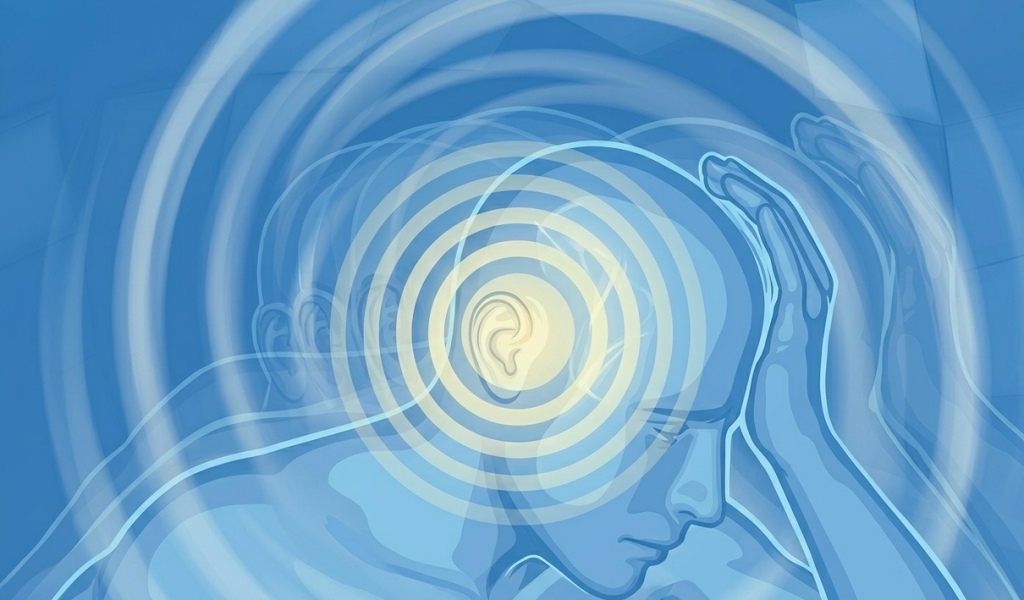
Read more about Dizziness & Balance

Nerve Problems and Autonomic Dysfunction

Autonomic nervous system dysfunction can affect far more than heart rate and blood pressure regulation. This condition, sometimes referred to as autonomic dysfunction, may also be linked with ongoing pain and body discomfort, headaches, digestive pain, or heightened sensitivity to physical sensations. The autonomic nervous system helps regulate many automatic body functions, and when it is not working properly, the body may remain in a heightened stress response that can amplify pain signals. Some people also experience dizziness, fatigue, rapid heartbeat, temperature intolerance, or exercise intolerance. Because these concerns can overlap with other neurologic or systemic conditions, a careful evaluation is important. Assessment may help identify patterns in nervous system regulation, symptom triggers, and functional limitations. Personalized care may focus on improving autonomic balance and overall function. If unexplained pain occurs alongside symptoms of autonomic dysfunction, it is suggested that you seek an evaluation from a qualified healthcare provider.

Chronic Pain and Persistent Symptom Relief

Living with ongoing pain or recurring symptoms can make everyday tasks more challenging. Discomfort that lingers or returns often may affect sleep, focus, and overall well-being. These patterns can develop gradually, and may not always have a clear starting point.

The body relies on proper coordination between muscles, joints, and nerves to function smoothly. When this coordination is disrupted, it may lead to repeated irritation or stress in certain areas. Over time, this can contribute to cycles of discomfort that continue even after rest or temporary relief.

Care guided by a provider focuses on how the body responds to movement and daily activity. Through a detailed evaluation, it is possible to identify areas that may be contributing to ongoing symptoms. Addressing these patterns may help reduce strain and support more balanced function throughout the body.

This type of care is designed to support lasting improvement rather than short-term changes. By working to restore proper movement and reduce stress within the body, many people experience greater comfort and improved consistency in how they feel day to day.

If you are dealing with persistent pain or symptoms that do not seem to resolve, it may be time to seek support. Schedule a visit with our provider to explore care options that help you feel better, move more freely, and return to your normal routine.

If you have any questions please feel free to contact our office located in Bellevue, WA [placeholder

Read more about Pain, Nerve Issues & Ongoing Symptoms

Why Dizziness Should Not Be Ignored

Feeling dizzy can be unsettling and may affect your ability to stay steady on your feet. Dizziness and balance problems can come from inner ear issues, low blood pressure, dehydration, or even medication side effects. Some people describe it as spinning, while others feel lightheaded or unsteady. These symptoms can increase the risk of falls, especially in older adults. You may also notice nausea, blurred vision, or difficulty walking in a straight line. While occasional dizziness may pass quickly, frequent or ongoing episodes should not be ignored. Drinking enough fluids, standing up slowly, and avoiding sudden movements may help in mild cases. However, proper evaluation is important to find the cause and prevent complications. If you experience repeated or worsening dizziness, it is suggested that you schedule a visit with our provider.

Dizziness and Balance Support

Feeling unsteady or lightheaded can make everyday activities more difficult and less predictable. Dizziness may come on suddenly or develop over time, and it can affect walking, standing, or even simple movements like turning the head. These changes can impact confidence and make it harder to stay active.

Balance relies on coordination between different systems in the body. Signals from the inner ear, eyes, and body must work together to keep you steady. When this communication is disrupted, it may lead to sensations of spinning, swaying, or instability. Physical tension, restricted movement, or stress within the body can also influence how well these systems work together.

Care that focuses on how the body is functioning may help support better balance and reduce feelings of dizziness. By addressing areas of restriction or imbalance, it may be possible to improve how signals move throughout the body. This can support steadier movement and greater control during daily activities.

A provider may evaluate how your body responds to movement, posture, and changes in position. This type of assessment helps guide a personalized approach that is designed to support coordination and comfort. Over time, this care may help improve stability and reduce the frequency of dizzy episodes.

If dizziness or balance concerns are affecting your daily life, schedule a visit with our provider to explore care options that support steadiness and confidence.

If you have any questions please feel free to contact our office located in Bellevue, WA . Support for better balance.

Read more about Dizziness & Balance 3
scroll to top