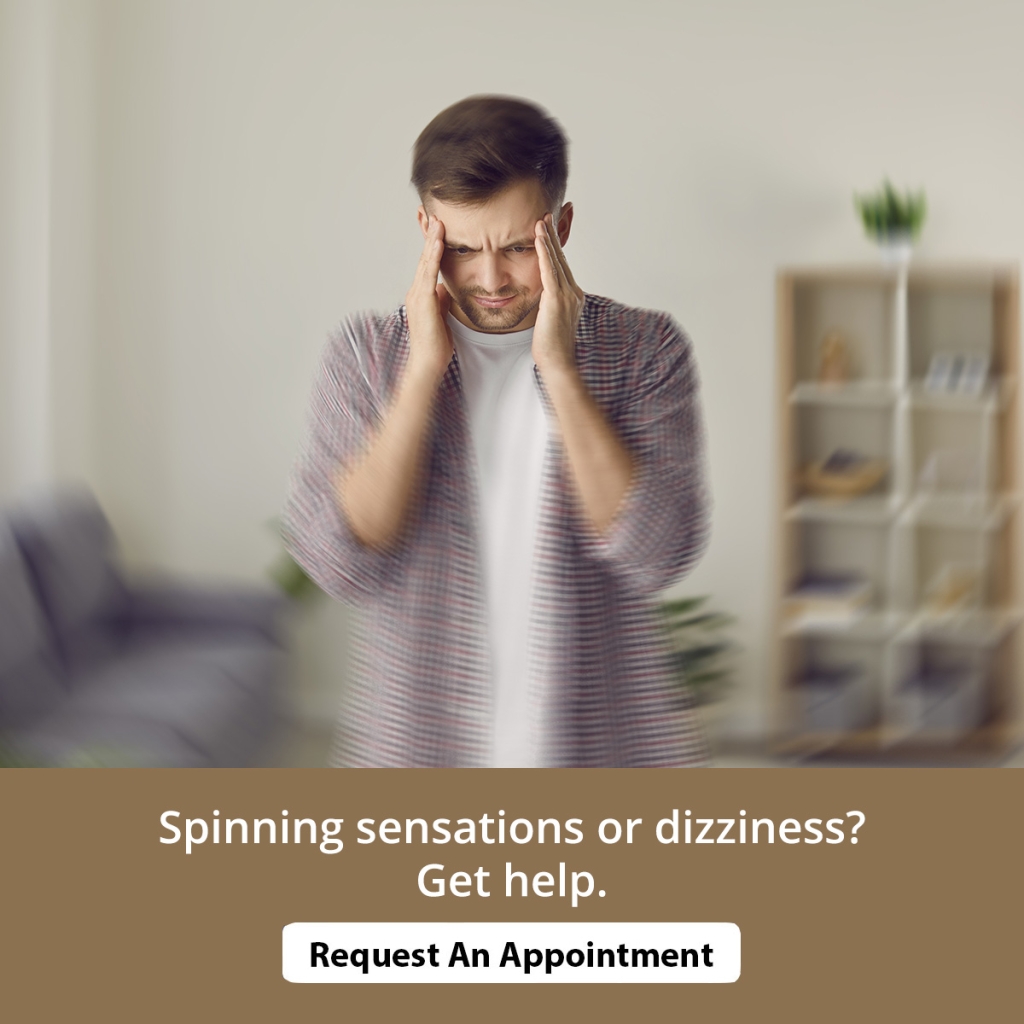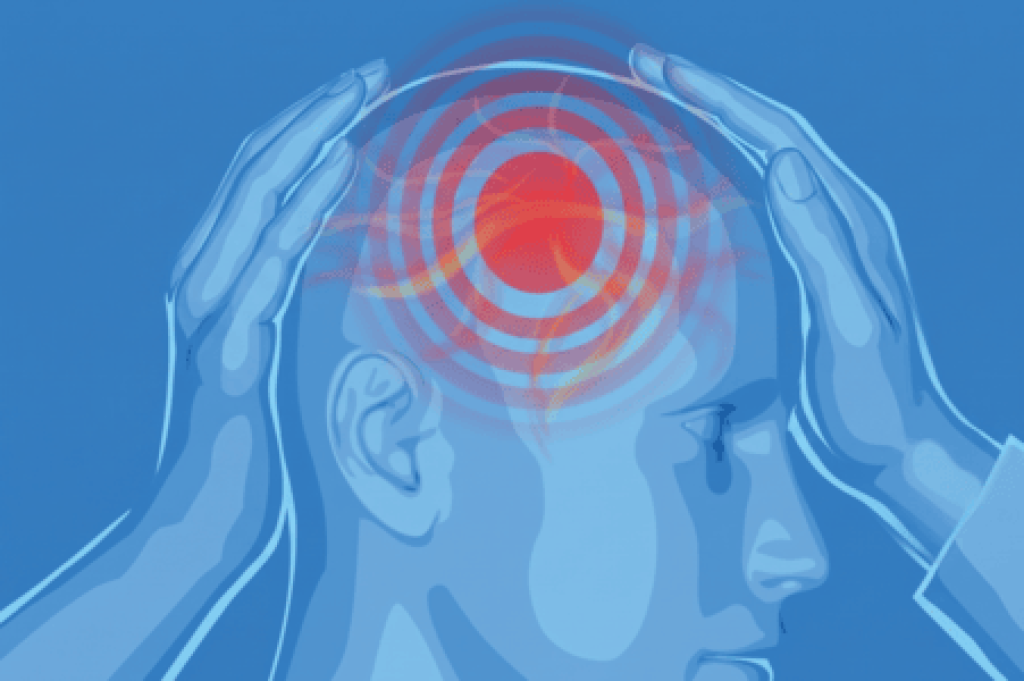
A bump to the head may seem minor, but it can still affect how your brain works. Concussions are a mild form of traumatic brain injury, while more serious injuries can cause lasting problems. Symptoms may include headache, dizziness, nausea, confusion, or trouble focusing. Some people feel tired or notice mood changes after a hit. Warning signs like repeated vomiting, worsening pain, or trouble waking up require urgent care. After any head injury, rest is important, but so is careful monitoring. Avoid sports and limit screen time until symptoms improve. Healing can take days or weeks, depending on the injury. Wearing helmets, using seat belts, and preventing falls can lower your risk. Early care can help prevent recovery. If you notice ongoing symptoms after a head injury, it is suggested that you visit our provider.
Chronic Pain and Persistent Symptom Relief
Living with ongoing pain or recurring symptoms can make everyday tasks more challenging. Discomfort that lingers or returns often may affect sleep, focus, and overall well-being. These patterns can develop gradually, and may not always have a clear starting point.
The body relies on proper coordination between muscles, joints, and nerves to function smoothly. When this coordination is disrupted, it may lead to repeated irritation or stress in certain areas. Over time, this can contribute to cycles of discomfort that continue even after rest or temporary relief.
Care guided by a provider focuses on how the body responds to movement and daily activity. Through a detailed evaluation, it is possible to identify areas that may be contributing to ongoing symptoms. Addressing these patterns may help reduce strain and support more balanced function throughout the body.
This type of care is designed to support lasting improvement rather than short-term changes. By working to restore proper movement and reduce stress within the body, many people experience greater comfort and improved consistency in how they feel day to day.
If you are dealing with persistent pain or symptoms that do not seem to resolve, it may be time to seek support. Schedule a visit with our provider to explore care options that help you feel better, move more freely, and return to your normal routine.
If you have any questions please feel free to contact our office located in Bellevue, WA [placeholder