Top Podiatry Notice Banner

Struggling to Stay Focused?

If distractions, poor concentration, or difficulty staying on task are affecting your daily activities, our team can help uncover the cause and guide you toward better attention and mental performance. Request your appointment today.

Knowing When Brain Fog Needs Medical Attention

Everyone has occasional moments of forgetfulness or trouble concentrating, especially during stressful or busy times. However, brain fog and focus problems that continue for weeks, interfere with work, school, or daily responsibilities, or seem to worsen over time may deserve medical attention. Warning signs include trouble following conversations, forgetting familiar tasks, losing focus easily, or feeling mentally slowed without a clear reason. These symptoms can be linked to many possible causes, including poor sleep, medication effects, nutritional deficiencies, infections, or other health conditions. A provider may review your symptoms, medical history, medications, and overall health to help identify what may be contributing to the problem. Cognitive screening, lab testing, or other evaluations may be considered depending on your symptoms. If brain fog or focus changes are affecting your daily life, consider scheduling an evaluation with a qualified healthcare provider.

Improving Mental Clarity and Attention in Daily Life
When focus begins to slip, and thoughts feel scattered, it can affect far more than productivity. Brain fog often shows up as slowed thinking, reduced attention span, and difficulty completing routine tasks. Many people notice they reread information, lose track of conversations, or feel mentally drained by midday.
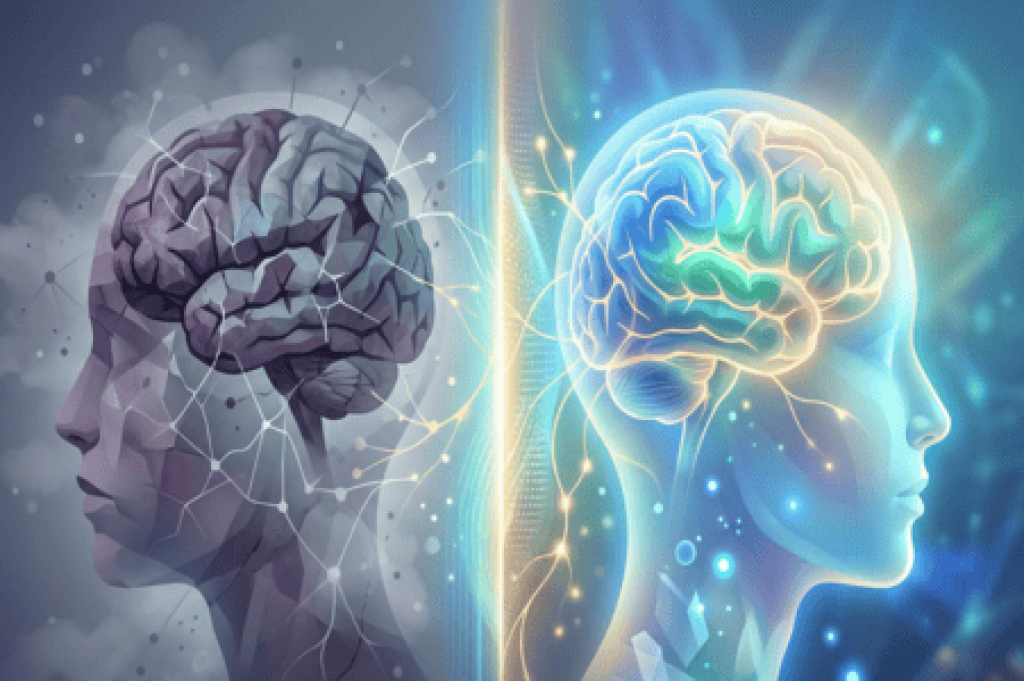
This pattern may be linked to how the brain is processing and responding to input. Sleep disruption, prolonged stress, and certain medical conditions can interfere with communication between different brain regions. When this communication is less efficient, the brain must work harder to keep up, leading to fatigue and reduced clarity.
A detailed evaluation can help identify where these breakdowns are occurring. Providers may assess balance, coordination, visual focus, and reaction time to better understand how the nervous system is functioning. Even subtle inefficiencies in these areas can contribute to cognitive strain.
Care is often centered on improving how the brain organizes and responds to information. Structured, task-specific exercises may be used to strengthen attention, improve processing speed, and support better mental endurance. These approaches are designed to gently challenge the brain without overwhelming it.
Daily habits can either support or hinder progress. Consistent sleep, steady hydration, and regular movement help maintain brain function. Limiting overstimulation and allowing time for mental recovery can also reduce the feeling of overload.
If you are experiencing ongoing difficulty with focus or mental clarity, we can provide a thorough assessment and direction.
If you have any questions please feel free to contact our office located in Bellevue, WA . We can provide help for brain fog.

Read more about Brain Fog & Focus 3

Understanding Concussions and Traumatic Brain Injuries

A concussion is a mild form of traumatic brain injury that happens when a blow, jolt, or sudden movement causes the brain to shift within the skull. Traumatic brain injuries range from mild to severe and can affect thinking, memory, balance, vision, mood, and physical comfort. Symptoms may include headache, dizziness, nausea, and confusion. One may also experience light sensitivity, difficulty concentrating, sleep changes, or a feeling of being mentally slowed down. Some people recover quickly, while others continue to experience lingering symptoms that interfere with work, school, or daily life. Proper evaluation is important because symptoms may overlap with other conditions affecting the nervous system, vision, or balance. Assessment may help identify functional changes that need targeted support to encourage recovery and improved daily performance. If you or a loved one is experiencing symptoms after a head injury, it is strongly suggested that you seek evaluation from a qualified healthcare provider for appropriate guidance and care.

Understanding Persistent Pain and Nerve-Related Symptoms
Ongoing pain that does not fully resolve can be frustrating and difficult to explain. It may feel sharp, burning, tingling, or deep and aching. Some people notice numbness or heightened sensitivity, while others experience discomfort that shifts from one area to another. When symptoms persist, they can affect sleep, mobility, and overall quality of life.
In many cases, these sensations are linked to how the nervous system is functioning. Nerves carry signals between the brain and body, and when those signals are disrupted or amplified, the result can be pain that feels disproportionate to the original issue. Even after an injury has healed, the system may remain overactive or poorly regulated.
A detailed evaluation can help uncover the source of these symptoms. Providers may assess movement patterns, reflexes, coordination, and sensory responses. This approach looks beyond the site of pain to understand how the entire system is communicating.
Care is often focused on calming and retraining the nervous system. Targeted therapies may be used to reduce sensitivity, improve signal accuracy, and restore more normal movement patterns. Treatment is guided and progressive, helping the body adapt without increasing discomfort.
Daily routines also influence recovery. Gentle movement, consistent sleep, and stress management can support better regulation and reduce flare-ups. Small changes over time can lead to meaningful improvement.
If you are dealing with ongoing pain or nerve-related symptoms, see us for a personalized approach to your issues.
If you have any questions please feel free to contact our office located in Bellevue, WA . We help calm nerve irritation and reduce persistent pain.

Read more about Pain, Nerve Issues & Ongoing Symptoms 2
scroll to top