Top Podiatry Notice Banner

When Fatigue And Brain Fog Do Not Go Away

Chronic fatigue syndrome is a condition marked by ongoing, overwhelming tiredness that does not improve with rest. Many people also experience brain fog, which can affect memory, focus, and clear thinking. Simple tasks may feel harder, and mental sharpness may come and go throughout the day. This combination can disrupt work, routines, and social activities. Some individuals notice difficulty finding words, staying organized, or processing information. Sleep issues, stress, and changes in how the nervous system functions may all contribute to these symptoms. Managing these concerns often involves pacing activities, improving sleep habits, and supporting overall health. Paying attention to patterns can help reduce flare-ups and improve daily function. If fatigue and brain fog are interfering with your quality of life, it is suggested that you see a provider for a proper diagnosis and treatment.

Clearing Brain Fog And Improving Focus
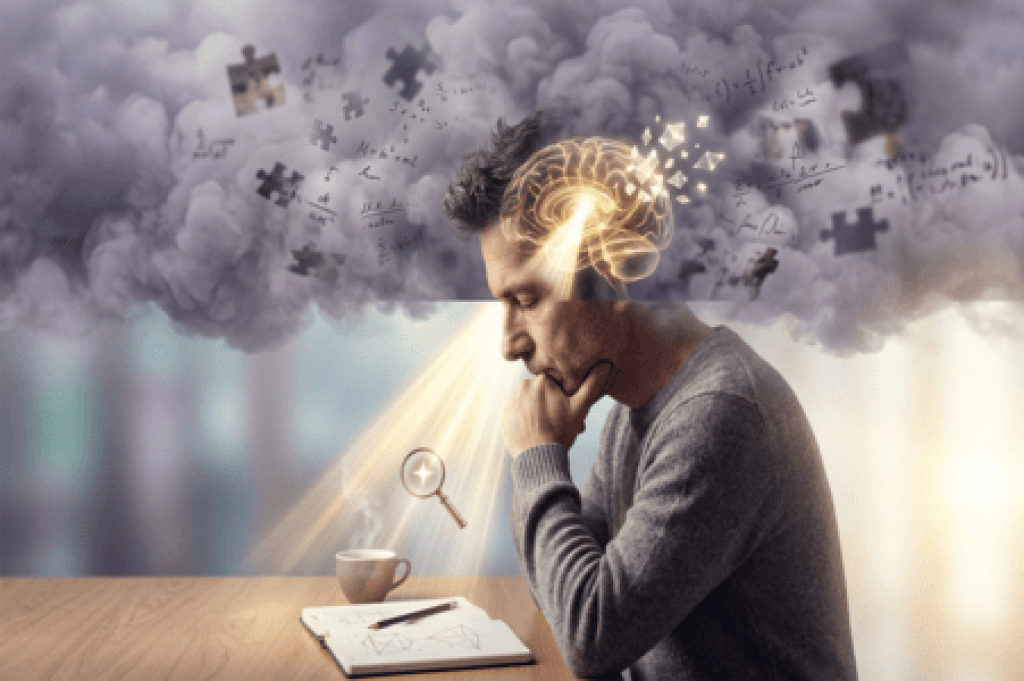
Brain fog is a common concern that can affect thinking, clarity, and overall mental performance. Many people describe it as feeling slow, unfocused, or mentally drained. It can interfere with daily tasks, work, and even simple decision-making. While occasional lapses in focus are normal, ongoing symptoms may signal an underlying issue that deserves attention.
Common signs include difficulty concentrating, poor attention span, and problems with short-term memory. Some individuals also experience chronic fatigue, which can make mental tasks feel more demanding. Coordination problems and clumsiness may occur as the brain struggles to process information efficiently. In some cases, eye movement and visual motor issues can affect reading, tracking, and hand-eye coordination.
These symptoms can be linked to a range of factors. Stress, poor sleep, nutritional imbalances, and certain medical conditions can all play a role. In other cases, the brain may not be processing information as smoothly as it should, leading to reduced clarity and slower response times. Identifying the root cause is an important step toward improvement.
Supportive care may include lifestyle adjustments, targeted exercises, and therapies designed to improve brain function and coordination. Addressing sleep, hydration, and overall health can also make a meaningful difference in mental clarity and energy levels.
Brain fog is not something you have to simply live with. With the right approach, many people notice improved focus, sharper thinking, and better day-to-day function.
If you have any questions please feel free to contact our office located in Bellevue, WA . We can provide a diagnosis and treatment.

 

Read more about Brain Fog & Focus

When Vertigo And Dizziness Disrupt Your Day

Vertigo and dizziness can make even simple movements feel challenging. Vertigo is often described as a spinning sensation, while dizziness may feel like lightheadedness, unsteadiness, or a loss of balance. These symptoms can occur suddenly or develop over time, affecting walking, turning, and daily activities. Many cases are linked to the inner ear, which helps control balance and spatial awareness. When this system is not working properly, signals to the brain can become mismatched, leading to discomfort and instability. Other causes may include head or neck issues, changes in blood pressure, or reactions to certain environments such as busy spaces or screens. Some people also notice nausea or difficulty focusing during episodes. Care often includes exercises to improve balance, reduce sensitivity to movement, and support coordination. If vertigo or dizziness is ongoing or affecting your daily life, it is suggested that you see a provider for proper diagnosis and treatment.

When Dizziness And Balance Problems Disrupt Daily Life
Feeling unsteady or lightheaded can affect far more than movement. Dizziness may come on suddenly or linger throughout the day, making it difficult to walk, turn, or even focus. Some people describe a spinning sensation, while others feel off balance or disconnected from their surroundings. These symptoms can interfere with work, driving, and routine activities.
Dizziness is often linked to the vestibular system, which helps control balance and spatial awareness. When this system is not working properly, it can lead to vertigo, instability, and motion sensitivity. Busy environments such as grocery stores, scrolling on screens, or riding in a car may worsen symptoms. Balance problems can also increase the risk of falls, especially in older adults.
In some cases, dizziness may be related to the neck. Cervicogenic dizziness can develop after strain or injury and may be accompanied by stiffness or discomfort. Head injuries, such as a concussion or traumatic brain injury, can also disrupt normal brain function, leading to lingering symptoms known as post-concussion syndrome. Whiplash can further affect coordination and contribute to ongoing imbalance.
Proper evaluation is important because dizziness can have many causes. A thorough assessment helps identify whether the issue is related to the inner ear, the brain, the neck, or a combination of factors. Treatment may include targeted therapy, guided exercises, and strategies to reduce sensitivity and improve stability.
Dizziness and balance concerns can be unsettling, but they are often treatable with the right care. 
If you have any questions please feel free to contact our office located in Bellevue, WA . We can identify the cause of your discomfort and create an effective treatment plan.
 

Read more about Dizziness & Balance

When Anxiety Shows Up In The Body

Anxiety does not always feel like worry alone. It can appear through physical symptoms that affect daily comfort and function. Many people notice a racing heart, dizziness, chest tightness, or a sense of restlessness without a clear cause. Others may experience sweating, shaky hands, or shortness of breath. These responses are linked to how the nervous system reacts to stress, even when there is no immediate danger. Over time, these symptoms can become frustrating and may interfere with sleep, focus, and routine activities. Some individuals begin to avoid certain situations because of how their body feels. Understanding that these sensations are part of the body’s response can be an important first step. Care may include techniques to calm the nervous system, improve breathing patterns, and build resilience to stress. If physical symptoms of anxiety are ongoing or affecting your quality of life, it is suggested that you see a provider for proper diagnosis and treatment.

Understanding Persistent Pain, Nerve Issues, And Complex Symptoms
Ongoing discomfort that does not have a clear cause can be frustrating and disruptive. Many people experience symptoms that extend beyond typical pain, including headaches, nerve-related sensations, and physical responses that seem difficult to explain. These concerns can affect daily function, sleep, and overall well-being.
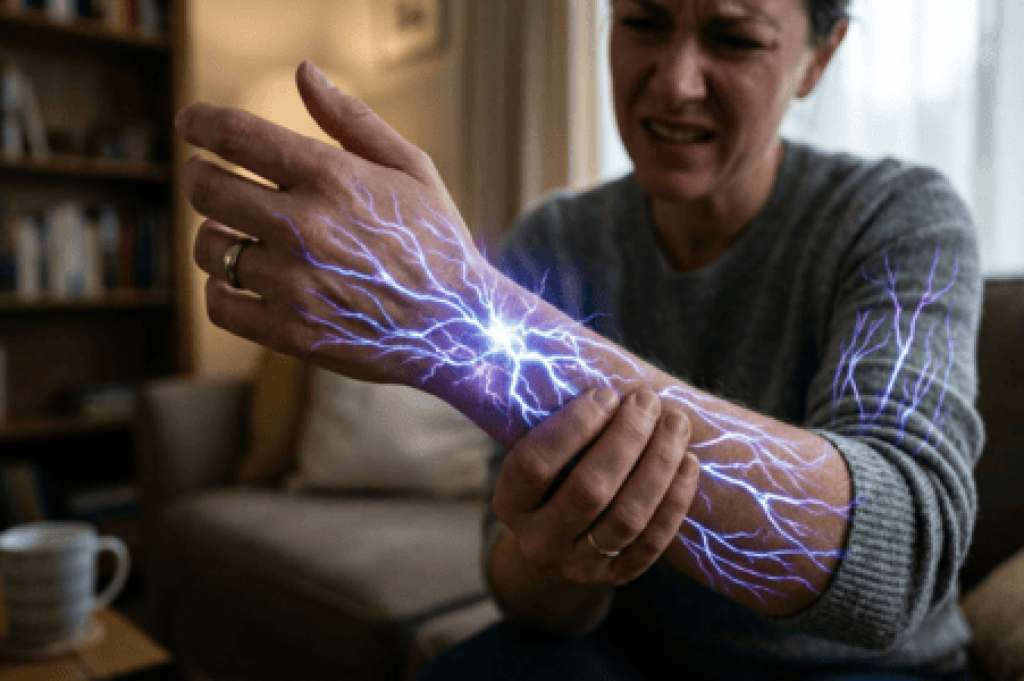
Headaches and migraine episodes are common and may vary in intensity and frequency. Some individuals also report chronic pain with neurologic features, such as sensitivity to light, sound, or movement. Nerve-related symptoms may include numbness, tingling, or burning sensations, often described as neuropathy. Tremors or shakiness can develop as well, making fine motor tasks more challenging.
The body can also respond to stress or underlying dysfunction with physical symptoms. Anxiety, a condition marked by heightened stress responses in the body, may present with dizziness, a fast heart rate, or a sense of unease. Dysautonomia, a disorder of the autonomic nervous system that disrupts regulation of heart rate and blood pressure, including postural orthostatic tachycardia syndrome or POTS, a condition that causes a rapid increase in heart rate when standing, can lead to lightheadedness, fatigue, and difficulty with position changes.
Some individuals continue to experience lingering symptoms after illness or injury. Long COVID has been associated with fatigue, brain-related changes, and persistent discomfort. Stroke rehabilitation focuses on restoring strength, coordination, and function after a neurological event, often requiring a structured and supportive approach.
Because these symptoms often overlap, a thorough evaluation is important. A professional evaluation for proper diagnosis and treatment should be obtained.
If you have any questions please feel free to contact our office located in Bellevue, WA . Our team can evaluate your condition and guide you through appropriate care.
 

Read more about Pain, Nerve Issues & Ongoing Symptoms

Blog Archives

scroll to top