Top Podiatry Notice Banner

Testing Balance and Visual Tracking

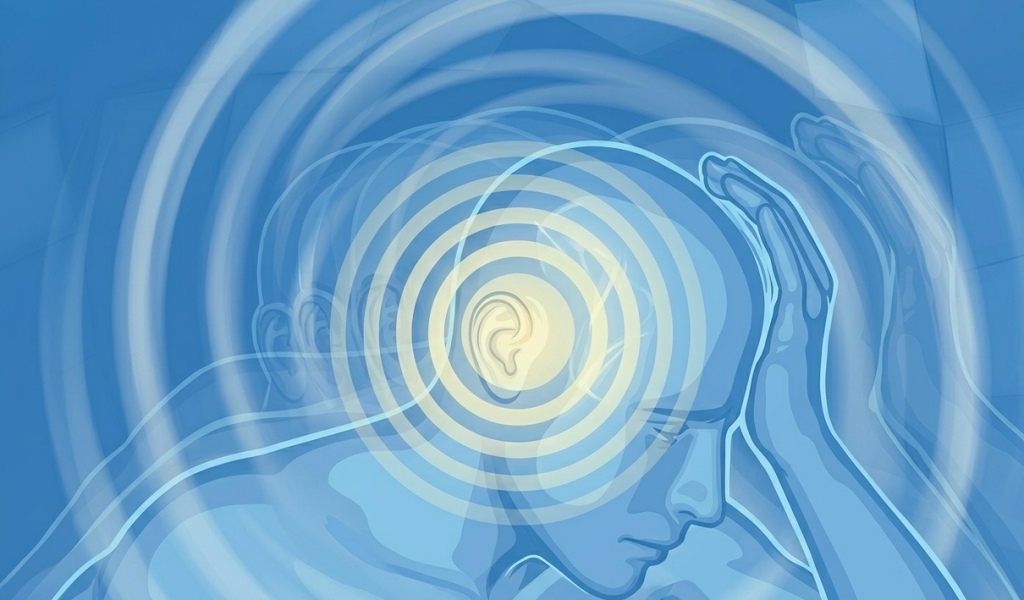
Dizziness and balance problems can make everyday activities feel uncertain and frustrating. When symptoms affect walking, reading, driving, or quick head movements, specialized testing may help identify the cause. Vestibular testing evaluates how the inner ear and balance systems respond to movement and position changes. Ocular tracking testing examines how well the eyes follow moving objects, shift focus, and work with the brain and balance systems to maintain stable vision. Problems in these systems may lead to dizziness, poor coordination, blurred vision, motion sensitivity, or feelings of unsteadiness. These assessments help uncover patterns that may not be obvious during a routine examination and can guide a more personalized care plan. Understanding how visual tracking and balance systems interact is an important step in addressing persistent symptoms. If dizziness, motion sensitivity, or balance concerns are affecting your daily routine, it is suggested that you seek an evaluation from a qualified healthcare provider to better understand the cause.

Understanding Dizziness and Restoring Steady Balance
Dizziness can be unsettling and difficult to describe. Some people feel lightheaded, while others notice a spinning sensation or a sense of unsteadiness when standing or walking. These symptoms may come and go or persist throughout the day, making routine activities feel unpredictable and tiring.
Balance depends on close communication between the inner ear, eyes, muscles, and brain. When one or more of these systems is not working properly, the body may struggle to stay oriented. This can lead to swaying, drifting, or a feeling that the surroundings are moving even when they are still. Common contributors include inner ear disturbances, vision changes, head or neck issues, and nervous system dysfunction.
A thorough evaluation can help identify the source of the problem. Providers may assess eye movements, posture, coordination, and how the body responds to changes in position. These findings can reveal subtle disruptions in how balance is controlled.
Treatment is often focused on retraining the brain and body to work together more effectively. Guided exercises may be used to improve stability, strengthen coordination, and reduce sensitivity to movement. These activities are carefully progressed to build confidence without increasing symptoms.
Daily habits can also influence balance. Staying hydrated, moving regularly, and avoiding sudden position changes may help reduce episodes of dizziness. Creating a safe environment at home, such as removing tripping hazards, can lower the risk of falls.
If dizziness or balance problems are affecting your safety or quality of life, please make an appointment with us today.
If you have any questions please feel free to contact our office located in Bellevue, WA . We are able to help with dizziness and balance.

Read more about Dizziness & Balance 2

Struggling to Stay Focused?

If distractions, poor concentration, or difficulty staying on task are affecting your daily activities, our team can help uncover the cause and guide you toward better attention and mental performance. Request your appointment today.

Knowing When Brain Fog Needs Medical Attention

Everyone has occasional moments of forgetfulness or trouble concentrating, especially during stressful or busy times. However, brain fog and focus problems that continue for weeks, interfere with work, school, or daily responsibilities, or seem to worsen over time may deserve medical attention. Warning signs include trouble following conversations, forgetting familiar tasks, losing focus easily, or feeling mentally slowed without a clear reason. These symptoms can be linked to many possible causes, including poor sleep, medication effects, nutritional deficiencies, infections, or other health conditions. A provider may review your symptoms, medical history, medications, and overall health to help identify what may be contributing to the problem. Cognitive screening, lab testing, or other evaluations may be considered depending on your symptoms. If brain fog or focus changes are affecting your daily life, consider scheduling an evaluation with a qualified healthcare provider.

Improving Mental Clarity and Attention in Daily Life
When focus begins to slip, and thoughts feel scattered, it can affect far more than productivity. Brain fog often shows up as slowed thinking, reduced attention span, and difficulty completing routine tasks. Many people notice they reread information, lose track of conversations, or feel mentally drained by midday.
This pattern may be linked to how the brain is processing and responding to input. Sleep disruption, prolonged stress, and certain medical conditions can interfere with communication between different brain regions. When this communication is less efficient, the brain must work harder to keep up, leading to fatigue and reduced clarity.
A detailed evaluation can help identify where these breakdowns are occurring. Providers may assess balance, coordination, visual focus, and reaction time to better understand how the nervous system is functioning. Even subtle inefficiencies in these areas can contribute to cognitive strain.
Care is often centered on improving how the brain organizes and responds to information. Structured, task-specific exercises may be used to strengthen attention, improve processing speed, and support better mental endurance. These approaches are designed to gently challenge the brain without overwhelming it.
Daily habits can either support or hinder progress. Consistent sleep, steady hydration, and regular movement help maintain brain function. Limiting overstimulation and allowing time for mental recovery can also reduce the feeling of overload.
If you are experiencing ongoing difficulty with focus or mental clarity, we can provide a thorough assessment and direction.
If you have any questions please feel free to contact our office located in Bellevue, WA . We can provide help for brain fog.

Read more about Brain Fog & Focus 3

Understanding Concussions and Traumatic Brain Injuries

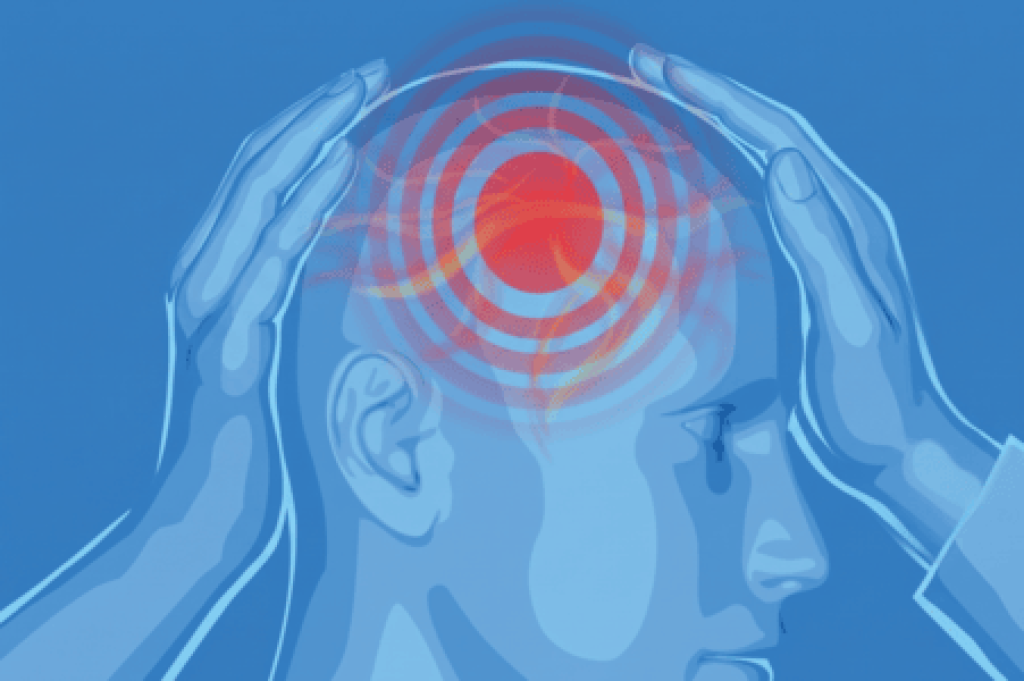
A concussion is a mild form of traumatic brain injury that happens when a blow, jolt, or sudden movement causes the brain to shift within the skull. Traumatic brain injuries range from mild to severe and can affect thinking, memory, balance, vision, mood, and physical comfort. Symptoms may include headache, dizziness, nausea, and confusion. One may also experience light sensitivity, difficulty concentrating, sleep changes, or a feeling of being mentally slowed down. Some people recover quickly, while others continue to experience lingering symptoms that interfere with work, school, or daily life. Proper evaluation is important because symptoms may overlap with other conditions affecting the nervous system, vision, or balance. Assessment may help identify functional changes that need targeted support to encourage recovery and improved daily performance. If you or a loved one is experiencing symptoms after a head injury, it is strongly suggested that you seek evaluation from a qualified healthcare provider for appropriate guidance and care.

Understanding Persistent Pain and Nerve-Related Symptoms
Ongoing pain that does not fully resolve can be frustrating and difficult to explain. It may feel sharp, burning, tingling, or deep and aching. Some people notice numbness or heightened sensitivity, while others experience discomfort that shifts from one area to another. When symptoms persist, they can affect sleep, mobility, and overall quality of life.
In many cases, these sensations are linked to how the nervous system is functioning. Nerves carry signals between the brain and body, and when those signals are disrupted or amplified, the result can be pain that feels disproportionate to the original issue. Even after an injury has healed, the system may remain overactive or poorly regulated.
A detailed evaluation can help uncover the source of these symptoms. Providers may assess movement patterns, reflexes, coordination, and sensory responses. This approach looks beyond the site of pain to understand how the entire system is communicating.
Care is often focused on calming and retraining the nervous system. Targeted therapies may be used to reduce sensitivity, improve signal accuracy, and restore more normal movement patterns. Treatment is guided and progressive, helping the body adapt without increasing discomfort.
Daily routines also influence recovery. Gentle movement, consistent sleep, and stress management can support better regulation and reduce flare-ups. Small changes over time can lead to meaningful improvement.
If you are dealing with ongoing pain or nerve-related symptoms, see us for a personalized approach to your issues.
If you have any questions please feel free to contact our office located in Bellevue, WA . We help calm nerve irritation and reduce persistent pain.

Read more about Pain, Nerve Issues & Ongoing Symptoms 2

Hormones and Mental Clarity

Many people notice changes in focus, memory, or mental sharpness during times of hormonal change. This experience is often described as brain fog, which can feel like slowed thinking, forgetfulness, trouble concentrating, or difficulty staying organized. Shifts in estrogen, progesterone, testosterone, thyroid hormones, and cortisol can all affect how the brain functions. Common times for these symptoms include perimenopause and menopause, pregnancy and postpartum recovery, thyroid imbalance, and periods of high stress. Hormones help regulate sleep, mood, energy, and brain signaling, so when levels change, concentration can suffer. Brain fog can also overlap with other medical concerns, making proper evaluation important. Cognitive testing can help identify patterns in attention, memory, and processing speed while ruling out other possible causes. If you are experiencing ongoing brain fog or difficulty focusing, it is suggested that you speak with a healthcare provider who can evaluate your symptoms and recommend appropriate next steps.

Clearing Brain Fog and Restoring Everyday Focus
Brain fog is more than occasional forgetfulness. It can feel like a persistent mental haze that slows thinking, reduces attention, and makes even simple tasks harder to complete. Many people describe difficulty finding words, staying organized, or following through on plans. These symptoms can interfere with work, relationships, and day-to-day confidence.
Several factors may contribute to brain fog, including poor sleep, stress, hormonal changes, medication effects, or underlying neurologic or metabolic conditions. For some, it develops gradually. For others, it appears after illness, injury, or periods of prolonged fatigue. Identifying the root cause is an important first step toward meaningful improvement.
A comprehensive evaluation looks at how the brain and body function together. This may include assessing balance, eye movements, reaction time, and cognitive processing. Subtle changes in these systems can affect how clearly and efficiently the brain works. Targeted, brain-based therapies can then be used to support stronger neural connections and improve mental clarity.
Treatment often focuses on restoring regulation rather than simply masking symptoms. This may involve guided exercises, sensory input, and structured activities designed to improve attention, processing speed, and mental endurance. Small, consistent gains can lead to noticeable improvements in focus and overall well-being.
Lifestyle habits also play a role. Regular sleep, proper hydration, and balanced nutrition support brain health. Managing stress and pacing activities can reduce overload and help the mind stay steadier throughout the day.
If brain fog or difficulty concentrating is affecting your quality of life, a personalized evaluation from our provider can help uncover the cause and guide effective care.
If you have any questions please feel free to contact our office located in Bellevue, WA . We can help with brain fog.

Read more about Brain Fog & Focus 2
scroll to top